AI in Education Research
Background
My research with Professor Ryan Baker at the Penn Center for Learning Analytics (PCLA) focuses on using educational data mining to study students while learning. Specifically, I mine data from interactions between students and educational software to better understand how students respond to these intelligent learning systems, and how these responses impact their outcomes. So far, I have completed two research projects at PCLA.
Research #1: Gaming and confrustion explain learning advantages for a math digital learning game
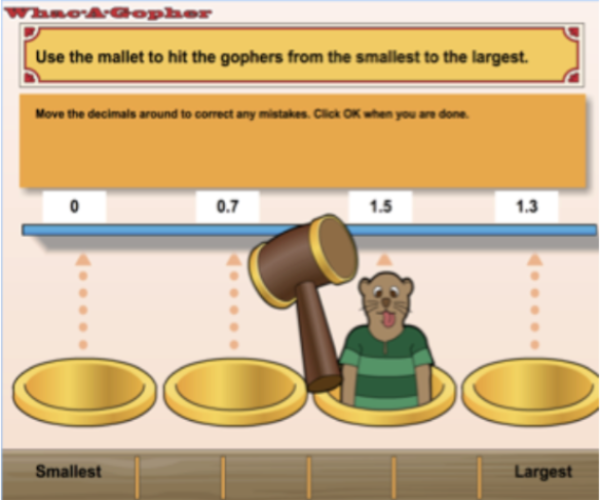
We researched how the emotions gaming and confrustion explain learning advantages for a math digital learning game. We developed Machine Learning detectors using Python through text-replay coding that mined students’ interactions with intelligent systems to detect these emotions. After building these log-based detectors, we found that digital learning games may support learning by reducing behavioral disengagement, and that the effects of confusion and frustration may vary depending on digital learning context. Our research paper with our findings was accepted into the Artificial Intelligence in Education 22nd International Conference (AIED).
Research #2: Knowledge Tracing Models' Predictive Performance when a Student Starts a Skill
We researched the consistency of Knowledge Tracing models’ predictive performance of student knowledge on a skill across the number of student instances on the given skill. We built four Knowledge Tracing models using Java, Python, pandas, PyTorch, and NumPy that predicted student knowledge on a skill: Bayesian Knowledge Tracing (BKT), Performance Factors Analysis (PFA), and Dynamic Key-Value Memory Networks (DKVMN). We found that while classic algorithms like BKT and PFA and modern algorithms like DKVMN may have a comparable difference within performance during initial attempts of a skill, model performance is much more comparable by the time the student reaches their third attempt at a skill. Our research paper with our findings was accepted into the Educational Data Mining (EDM) 14th International Conference, where we were selected as the best runner-up paper. Our research paper was also fortunately accepted as 1 of 7 papers worldwide in the W4U EDM Conference for Undergraduates, where it was selected as the best paper.
Languages and libraries used: Java, Python, pandas, PyTorch, and NumPy